
How to Create Content With SEO Agents: From Basic to Expert Level

AI-optimized content drove an amazing 205% growth in organic traffic during 2024.
SEO agents are changing the way we optimize content. These AI-powered assistants work independently on various search engine optimization tasks and handle everything from keyword research to competitor analysis.
These AI SEO agents excel at processing vast amounts of competitor data, SERP metrics, and keyword opportunities. They convert this information into actionable insights. They also analyze crucial keyword metrics like search volume and ranking difficulty to help you spot valuable content opportunities.
The digital world is changing faster than ever. Traditional SEO is giving way to GEO (Generative Engine Optimization) as AI search and answer engines continue to rise. Your content now needs to appear not just in blue links but also in AI-generated responses.
This detailed guide shows you how to create content with SEO agents regardless of your expertise. You will discover how these powerful AI tools can enhance your content creation process and improve your search visibility, whether you’re new to the field or ready to implement sophisticated strategies.
What Is an SEO Agent and How Do They Work?
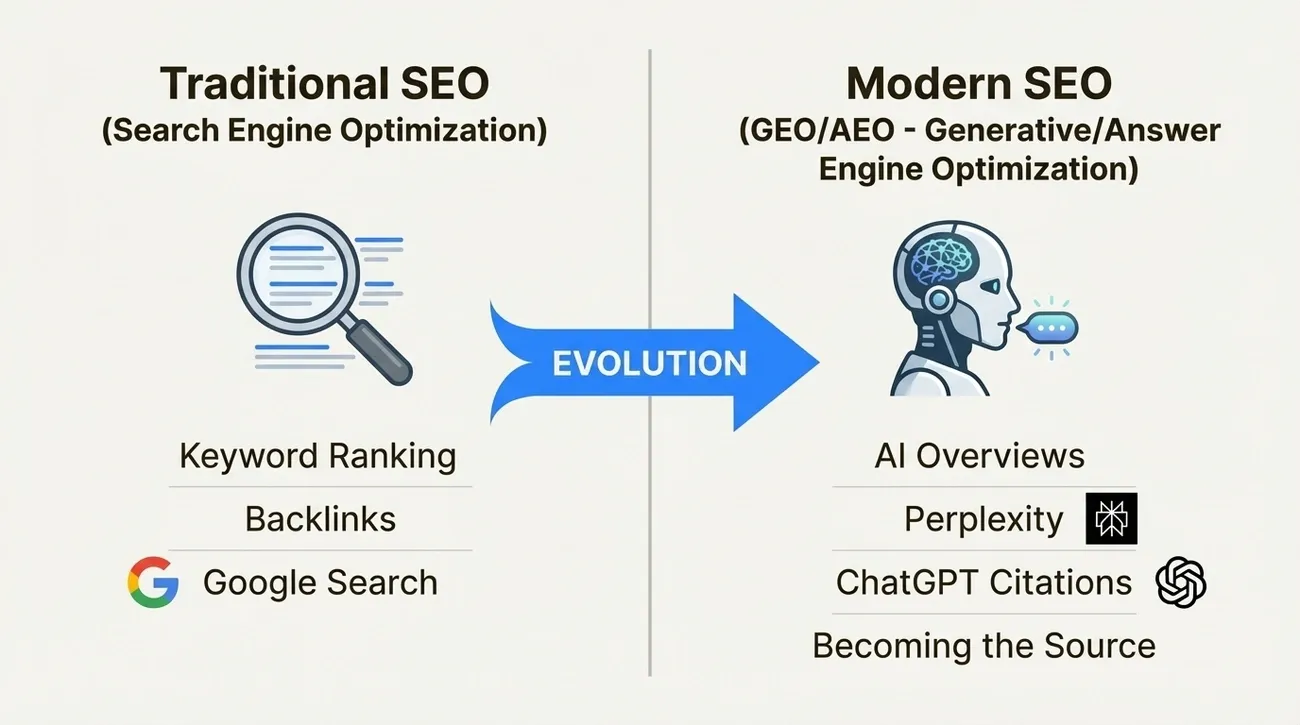
Image Source: eesel AI
SEO agents signal a fundamental change in online optimization methods. These autonomous, intelligent systems manage search engine optimization tasks with minimal human input and work continuously to boost your website’s performance.
Understanding the role of AI in SEO
AI changes how SEO works by minimizing reactive responses. AI doesn’t replace SEO teams but helps them work better by automating monitoring, detection, and analysis tasks that used to create gaps. This technology extends your expertise and handles repetitive processes while you concentrate on strategy.
The benefits are clear—AI maintains constant watchfulness needed to be proactive with search engine updates. You get specific alerts about your next priority instead of checking dashboards every week. Smart systems flag unexpected changes in crawl behavior, internal link patterns, or user engagement as they happen. This gives you early warnings before performance drops.
AI also lets you see beyond traditional rankings. As generative engines influence discovery, AI systems track citation frequency, source attribution, and presence in AI Overviews through thousands of prompts. This knowledge becomes crucial as search results include more AI-generated responses.
Difference between SEO agents and traditional SEO tools
Traditional SEO tools handle specific tasks like keyword research or rank tracking. SEO agents, however, manage the whole process. Here are the main differences:
- Autonomous operation: Traditional tools need you to analyze data and make manual changes. SEO agents work on their own and make optimization decisions based on best practices and your goals.
- Task execution: Traditional tools stop at suggestions. SEO agents implement changes, publish content, and optimize without waiting for you.
- Learning capability: Unlike fixed tools, SEO agents learn from your site’s results and adjust strategies based on what works for your content.
- Integration: SEO agents work inside your content management system and create smooth processes, unlike switching between different platforms.
This difference shows a fundamental change in SEO: traditional tools work like calculators that compute when prompted, while AI agents act like skilled specialists who understand your goals, use multiple data sources, and take action on their own.
Types of AI SEO agents: reactive, learning, goal-based
SEO agents come in three main types based on what they can do:
Reactive agents respond to changes right away. They watch your website and search landscape non-stop to spot issues immediately. These agents excel at finding unusual patterns and flag unexpected changes in crawl behavior or rankings. They can tell when your brand’s relationships in knowledge graphs start to change—whether from new competition, different user habits, or algorithm updates.
Learning agents do more than react—they study patterns and get better over time. They analyze lots of data from your site’s performance metrics and figure out which optimization tactics work best for your content. These agents improve their methods as they collect more information and see results.
Goal-based agents are the most advanced. They work toward specific objectives and decide the best way to reach them on their own. These complex systems work like a team of specialized AI components, each handling an important function. The structure might include:
- Auditor Agent: Non-stop technical SEO monitoring
- Content Agent: Complete content lifecycle management
- Optimization Agent: Live testing and structural improvements
- Adaptation Agent: Strategic monitoring of external factors
These parts work together through data feedback loops and constantly improve their shared intelligence with live performance data from various sources.
Search engines and user behaviors keep evolving, and these AI SEO agents grow more powerful. They improve your online presence while letting you focus on strategy instead of routine tasks.
Core Features of AI SEO Agents
Modern AI SEO agents come equipped with powerful capabilities that transform how businesses approach search optimization. The efficiency of these tools has led to 75% of marketers now using AI to reduce time spent on repetitive SEO tasks, demonstrating their growing importance in digital marketing strategies.
Automated keyword research and clustering
AI-powered keyword research goes beyond basic term identification. These systems analyze massive datasets to uncover relevant keywords and search patterns that drive actual results. Consequently, you gain access to:
- Search intent matching that identifies the purpose behind queries
- Semantic clustering using embeddings to group queries by meaning, not just shared stems
- Intent classification that assigns clusters to specific funnel stages
- Opportunity scoring that combines difficulty, authority fit, and business impact
Unlike traditional tools that might overwhelm you with raw data, AI SEO agents intelligently process hundreds of keywords, cluster them into logical themes, identify subtopics, and rank them by traffic opportunity and competition level. This compression of hours of manual research into seconds creates a strategic advantage for content planning.
Content optimization using NLP
Natural Language Processing (NLP) serves as a foundational technology for content optimization. It bridges technical SEO with content strategy by analyzing semantic patterns, user intent, and topical coverage at scale.
As search engines use NLP to comprehend the meaning behind words—not just match keywords—your optimization strategy must evolve accordingly. AI SEO agents leverage this technology to identify opportunities that neither technical audits nor content audits would find alone.
These tools excel at detecting content gaps through sophisticated NLP analysis that goes beyond simple keyword matching. Their machine learning models understand context, synonyms, and semantic relationships. Above all, they analyze your content against top-ranking competitors to identify missing concepts, questions, and user intents that could improve your rankings.
Technical SEO audits and fixes
AI algorithms can process entire site architectures in hours, detecting anomalies human eyes might miss. During these comprehensive scans, they identify technical SEO issues that impact keyword performance, such as missing meta descriptions, duplicate content, and slow loading pages.
The integration of real user monitoring with AI creates a continuous feedback loop where every user interaction provides data about actual performance experienced in real-world conditions. Given these points, SEO agents can monitor critical areas like server response time, page speed, and other key metrics continuously.
AI-driven technical SEO extends to analyzing and optimizing website infrastructure for effective crawling, indexing, and performance. Some advanced systems can even implement fixes automatically—they can minify code, optimize images, generate schema markup, and resolve other technical issues with minimal human intervention.
SERP analysis and competitor tracking
AI transforms SERP analysis by revealing exactly which signals make pages win across blue links, AI-generated summaries, and rich results. This structured method reads the entire results page—traditional listings, AI Overviews, People Also Ask, video carousels, and more—then models why each element appears and how it influences click behavior.
The goal shifts from simply tracking ‘who ranks’ to explaining ‘what ranks and why,’ ensuring your content improvements map directly to observable drivers. In addition to monitoring rankings, AI SEO agents can continuously track shifts in SERPs, new content, and backlinks, automatically alerting you to changes.
This capability proves particularly valuable as SEO evolves to include generative engine optimization (GEO) and answer engine optimization (AEO), which focus on visibility within AI-generated experiences and earning citations in machine-assembled summaries.
Beginner Use Cases: Getting Started with AI SEO Agents
AI SEO agents don’t have to be complicated, even if you’re new to SEO automation. You should start with a single page or run a short campaign to see results before scaling up your efforts. This approach helps you understand these tools without getting overwhelmed by complexity.
Using AI for simple keyword research
Traditional keyword research takes hours of brainstorming. You need to check search volumes manually and analyze competitor pages one by one. AI SEO agents revolutionize this process by analyzing thousands of keywords simultaneously. They identify opportunities where low-authority sites are ranking—weak spots you can exploit.
Here’s how to start keyword research with an AI agent:
- Select a platform or tool that offers AI-powered keyword research
- Enter a seed keyword related to your topic
- Let the AI analyze search volume, competition, and semantic relationships
- Review the clustered keyword suggestions based on search intent
Tools that automatically group keywords based on semantic similarity and user intent work well for beginners. This clustering saves hours of manual work and helps you build topical authority around specific themes. The right AI SEO agent can complete in minutes what used to take days.
Generating SEO-friendly content outlines
SEO agents excel at creating structured content outlines for beginners. An SEO content outline works as a blueprint that gives a detailed summary of your planned article. Well-constructed outlines help you:
- Create clearer and better structured writing
- Arrange ideas logically so content flows naturally
- Picture what you’ll write and reduce writer’s block
- Focus on content creation without missing key points
AI agents generate outlines with headings, subheadings, key points, and a suggested topic order. You can improve these outlines by adding your expertise—like industry examples or case studies that AI might miss.
Simple on-page optimization tasks
Once you’re comfortable with AI SEO agents, they can handle simple on-page optimization tasks. These tools analyze your content and suggest improvements that boost search rankings.
On-page optimization capabilities include:
Meta tag generation that follows character limits while naturally incorporating keywords. This helps search engines understand your page content better and improves rankings.
Technical SEO improvements find missing meta descriptions, duplicate content issues, and slow loading pages. Advanced systems can implement fixes automatically—they minify code, optimize images, and generate schema markup with minimal input.
The best results come from treating AI as an assistant rather than a replacement. SEO agents handle repetitive or data-heavy tasks well, but you need human touch for strategic decisions, creative adjustments, and final review. This balanced approach lets you keep your brand voice while using AI efficiently.
Intermediate Applications: Enhancing Your SEO Workflow
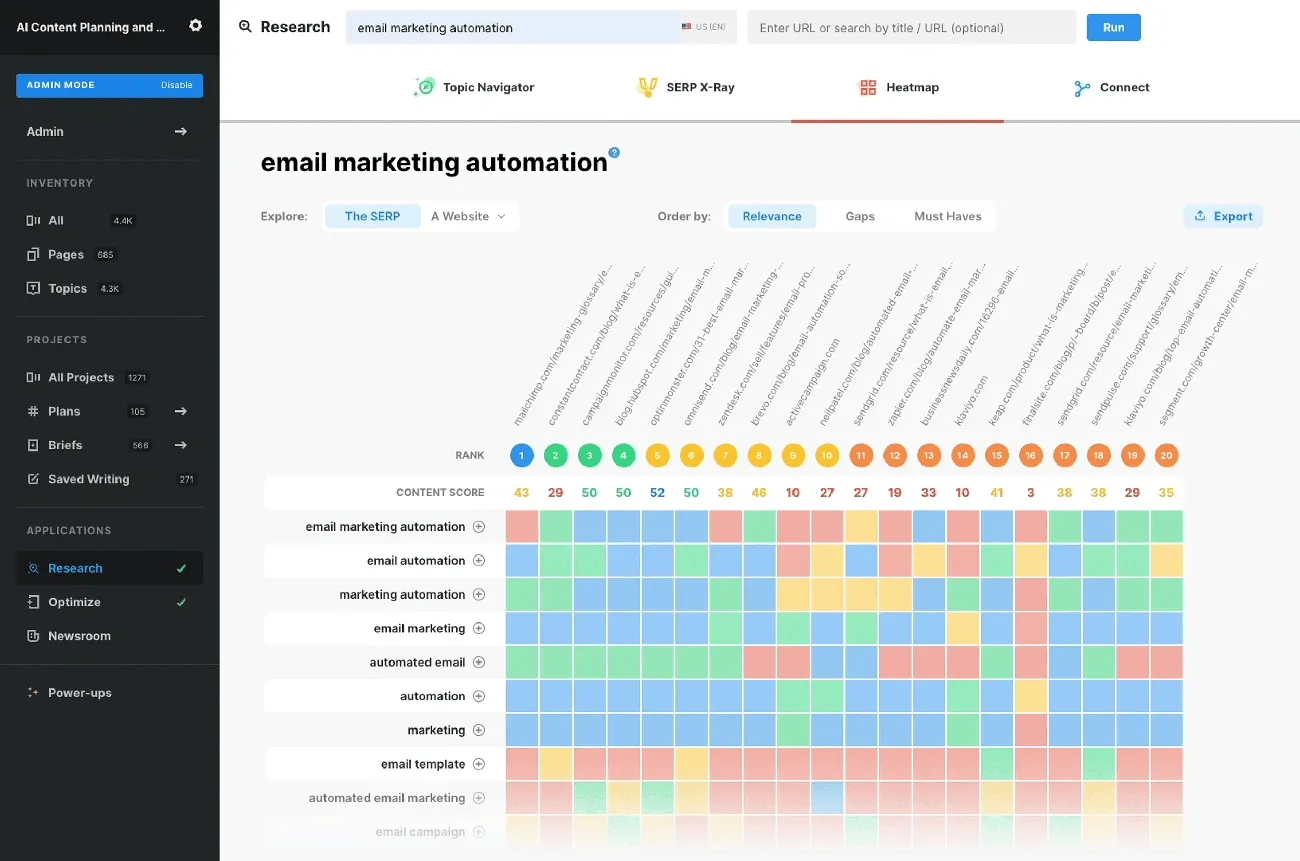
Image Source: Backlinko
SEO agents provide sophisticated ways to boost your workflow as your SEO capabilities grow. These tools go beyond simple applications. They can transform intermediate-level processes by connecting data systems, streamlining content production, and delivering practical insights automatically.
Automating content briefs and drafts
AI agents have eliminated the time-consuming data collection bottleneck that slows down content creation. They pull information from connected sources and populate standardized templates in seconds. This advantage transforms hours of manual gathering into strategic content planning.
The automation process works through:
- Dynamic, evidence-based briefs that tie every instruction to measurable results
- Structured data ingestion from SEO platforms, analytics, and competitor analysis tools
- Templates populated by AI agents with keyword clusters, audience behavior patterns, and content gaps
These automated briefs don’t just save time—they create a continuous improvement loop. Each new brief learns from previous results by connecting brief decisions to content performance. Content managers can identify which elements drive results by mapping specific outcomes to choices made during planning.
Multi-agent approaches can combine research, SEO, and brand-voice capabilities to refine guidance automatically. These systems predict which persona-specific angles will appeal based on patterns from support tickets and customer feedback after six months of operation.
Integrating with Google Search Console
Google Search Console Performance report gives powerful insights, yet finding specific data takes too much time. AI-powered configuration now lets you describe analyzes in natural language. The report configures instantly based on your description.
This integration handles three key elements:
- Applying filters across queries, pages, countries, and devices
- Configuring complex comparisons without manual setup
- Selecting appropriate metrics based on your question
You can simply ask: “Compare traffic for blog pages this quarter to the same quarter last year” or “Show me the Average CTR for queries in Spain in the last 28 days” instead of manually setting parameters.
AI agents can set up 24/7 monitoring of critical SEO metrics. They alert you to opportunities and threats as they emerge. This automation enables tracking of ranking fluctuations, traffic pattern analysis, conversion rate insights, and Core Web Vitals monitoring automatically.
Using AI to monitor content performance
Many SEO tasks take up valuable time that you could spend on strategy. Rank tracking, competitor analysis, content gap identification, and technical issue monitoring are prime tasks for automation. These processes run continuously without human intervention by connecting Search Console data with AI systems.
AI-powered monitoring starts with creating baseline performance expectations for key metrics. You then configure alerts for significant deviations. The AI system learns your site’s typical traffic patterns and alerts you only when changes fall outside statistical norms.
Automated alerts can be configured for:
- Sudden ranking drops for high-value keywords
- Unexpected traffic pattern changes
- New high-potential query opportunities
- Emerging technical issues
- Content performance anomalies
This intelligence feeds back into your content system and creates a flywheel effect. Early cycles rely on external data like SERP analysis and competitive gaps. Your own content performance soon begins informing recommendations. The system learns continuously after twelve months—automation agents update brief templates based on performance data while analysis tools identify new content opportunities from search trends.
Advanced Strategies: Expert-Level SEO with AI Agents
Expert-level AI SEO agents tap into sophisticated capabilities that boost search visibility through analytical insights. These advanced tools help practitioners build complete content ecosystems instead of standalone pages.
Creating topic clusters and content maps
Topic clustering organizes content around a central “content pillar” with interlinked “clusters” that cover specific subtopics. Search engines recognize this structure as a sign of topical authority—a key aspect of Google’s Helpful, Reliable, People-First Content guidelines. Your site shows expertise by consistently writing about related entities within a subject area.
AI SEO agents excel at this approach by:
- Analyzing hundreds of search queries to identify specific subtopics
- Uncovering content gaps and emerging trends
- Suggesting long-tail keywords that optimize overall SEO strategy
Tools like ContentMaps AI can build advanced content clusters using AI agents with just one click. These systems cluster websites by intent, topics, and performance to scale content production. Up-to-the-minute data analysis helps establish topical authority and transforms your content into “ranking machines”.
Personalized content generation at scale
Content creation faces its biggest problem in personalization. AI agents solve this by tailoring content for individual users based on behavior, priorities, context, and location. This helps create unique experiences for big customer bases with different priorities.
AI-powered personalization has shown impressive results. A recent experiment revealed that keyword-focused ad copy performed better than template-based ads. The results showed 9% higher click-through rates, 12% more impressions, and 0.38% lower cost-per-click.
You should focus on sourcing diverse content libraries to avoid bias. Regular updates prevent outdated information, and user feedback improves content review processes. Human oversight helps adjust tone and context to strike a chord with audiences. This combination of AI efficiency and human empathy creates content that is relevant and emotionally engaging.
Link building automation and outreach suggestions
AI transforms link building by handling research, qualification, and optimization at scale. Humans can then concentrate on strategy and relationships. This changes the approach from sending hundreds of generic emails to delivering fewer, targeted outreach messages that get better responses.
AI-powered outreach bots handle several key tasks:
- Send timed follow-ups to prospects
- Monitor link status automatically
- Conduct A/B testing of outreach emails
The most effective approach combines AI efficiency with strategic human involvement. High-quality links come from providing real value through data, insights, tools, and stories. This helps earn editorial judgment and build relationships. Your SEO agents should qualify prospects based on topical trust flow rather than just domain authority. This ensures links come from relevant sources that improve your SEO performance.
Limitations and Best Practices for Using AI SEO Agents
AI SEO agents pack powerful capabilities, but users need to understand their limitations to implement them effectively. These tools need careful management to avoid potential problems.
Common pitfalls and how to avoid them
The biggest risk in implementing AI SEO agents comes from excessive automation without a strategic plan. Organizations often rush to deploy these tools across functions without proper prioritization. This approach typically results in content that looks automated and damages credibility with search engines and audiences alike.
You can avoid these problems by:
- Starting with high-impact, low-risk tasks before expanding
- Setting up rigorous quality gates for AI-generated content
- Connecting all relevant data sources to provide complete context
Quality often takes a backseat in the race for quantity. AI agents can produce content at scale, but this volume-focused approach might trigger Google’s spam detection. Regular audits of content quality and engagement metrics help spot these issues before they affect rankings.
Why human oversight is still essential
AI excels at execution but needs human judgment for everything in SEO. Even with automation capabilities, humans must guide strategic direction, quality assurance, and ethical considerations. Yes, it is possible to prevent 94% of AI content accuracy issues through systematic human oversight.
Brand voice alignment, creativity, and relationship building need human expertise. AI lacks the strategic foresight needed for nuanced decision-making, despite technological advances. The most successful organizations see oversight as a competitive edge rather than a burden.
Choosing the right AI SEO agent for your needs
The evaluation of AI SEO platforms requires attention to several key factors. You should look at integration capabilities with existing tools, customization options for specific needs, and data security provisions.
Automation brings efficiency, but higher automation levels need more ethical review. Whatever platform you select, note that AI SEO agents work best as assistants rather than replacements for SEO professionals.
Conclusion
AI-powered SEO agents have altered the map of content optimization. This piece shows how these assistants handle everything from simple keyword research to complex link building strategies. The move from traditional SEO to Generative Engine Optimization means adapting as visibility within AI-generated responses grows more vital.
These tools save countless hours and deliver better results, whether you begin with simple keyword research or advance to creating detailed topic clusters. The statistics tell the story – users who optimize content with AI see remarkable organic traffic growth, making these tools worth a closer look.
A balanced approach leads to successful implementation. SEO agents work best as collaborators rather than replacements, despite their impressive capabilities. The core team must oversee strategic direction, quality control, and maintain an authentic brand voice.
You should start small with specific pages or campaigns before expanding. This measured approach helps you learn about what works for your content and audience. Once you’re skilled at the basics, you can steadily implement more advanced strategies like automated content briefs, performance monitoring, and personalized content generation.
The future of SEO will without doubt involve AI agents working with human strategists. Those who excel at this partnership gain advantages through improved efficiency, informed decisions, and adaptable content production. Your first steps with SEO agents might be simple tasks that could revolutionize your approach to search visibility.
Key Takeaways
AI SEO agents are revolutionizing content optimization by automating complex tasks and delivering measurable results—users saw 205% organic traffic growth in 2024.
• Start small and scale gradually: Begin with basic tasks like keyword research before implementing advanced features like automated content briefs and performance monitoring.
• AI agents excel at automation, humans provide strategy: Use AI for data-heavy tasks while maintaining human oversight for quality control, brand voice, and strategic decisions.
• Focus on GEO over traditional SEO: Optimize for AI-generated responses and citations in search results, not just blue link rankings.
• Leverage automated workflows for efficiency: AI agents can handle keyword clustering, technical audits, SERP analysis, and content optimization 24/7 without manual intervention.
• Quality trumps quantity in AI content: Avoid over-automation pitfalls by implementing quality gates and regular audits to prevent spam detection and maintain credibility.
The most successful SEO strategies combine AI efficiency with human expertise, treating these tools as powerful collaborators rather than complete replacements for strategic thinking.
FAQs
Q1. How can AI SEO agents improve my content optimization process? AI SEO agents can automate tasks like keyword research, content brief generation, and technical audits. They analyze large datasets to uncover relevant keywords, create structured content outlines, and continuously monitor site performance. This automation can lead to significant time savings and improved search visibility.
Q2. What’s the difference between traditional SEO tools and AI SEO agents? Unlike traditional tools that require manual interpretation and implementation, AI SEO agents work autonomously to execute tasks, learn from performance data, and adapt strategies. They integrate seamlessly with your content management system and can handle entire SEO workflows rather than isolated tasks.
Q3. How do I get started with using AI SEO agents? Begin by focusing on a single page or short campaign. Start with basic tasks like AI-powered keyword research or generating SEO-friendly content outlines. As you become more comfortable, gradually implement more advanced features like automated content briefs and performance monitoring.
Q4. Can AI SEO agents completely replace human SEO professionals? No, AI SEO agents work best as assistants rather than replacements. While they excel at data analysis and task automation, human oversight remains crucial for strategic direction, quality control, and maintaining brand voice. The most effective approach combines AI efficiency with human expertise.
Q5. What are some potential pitfalls of using AI SEO agents? Common pitfalls include over-automation without strategic direction, prioritizing quantity over quality in content creation, and neglecting human oversight. To avoid these issues, start with high-impact, low-risk tasks, implement quality checks for AI-generated content, and maintain regular human review of AI outputs and strategies.
